Loading...
← Journal
What Good Trainers Get Wrong·4 min read
More Certifications Won't Make You a Better Trainer
Certifications matter, but collecting them won't fix what's actually holding you back as a trainer. Here's what will.
Here's a thing I've noticed about the best trainers I know: none of them lead with their credentials.
They have them. Plenty of them. But when you watch them coach a client through a tricky hip hinge or talk someone through a flare-up they weren't expecting, you don't see certifications at work. You see thousands of hours of paying attention.
I hold a NASM CPT, NASM CES, ACE Health Coach, ACE CES, Precision Nutrition L2, MovNat L2, and I'm an Anatomy Trains certified structural integration practitioner and teacher-in-training. That's a lot of letters. And every single one taught me something real. But the honest truth is that most of what makes me effective as a coach didn't come from a weekend seminar or a multiple-choice exam. It came from the slow, unglamorous work of being in the room with people and learning to see what's actually happening in their bodies.
The certification trap
There's a pattern I see in trainers who've been at it for a few years. They hit a plateau. Maybe their clients aren't progressing the way they want. Maybe they feel stuck in their own knowledge. So they sign up for another certification.
It feels productive. You're studying. You're investing in yourself. You get a new credential, maybe a new logo for your website. For a few weeks you feel sharper.
Then you're back to the same sessions, the same clients, the same questions you didn't know how to answer before. Because the certification addressed a knowledge gap that wasn't actually the gap holding you back.
The harder gap is almost always coaching skill. The ability to watch a person move and see what they're compensating for. The ability to explain something three different ways until the one that clicks for this particular client shows up. The ability to program not just for a body, but for a life, a schedule, a set of priorities that aren't yours.
Knowledge vs. craft
Certifications give you knowledge. That matters. You need a foundation of anatomy, physiology, programming principles, and safety. Nobody's arguing against that.
But past a certain point, more knowledge doesn't translate into better coaching. What translates is practice. Deliberate, reflective, honest practice. The kind where you film a session and watch it back. The kind where you ask a client "did that make sense?" and actually listen to the answer. The kind where you sit with another trainer and talk about a case that stumped you.
This is the craft side of training. And it doesn't come with a certificate.
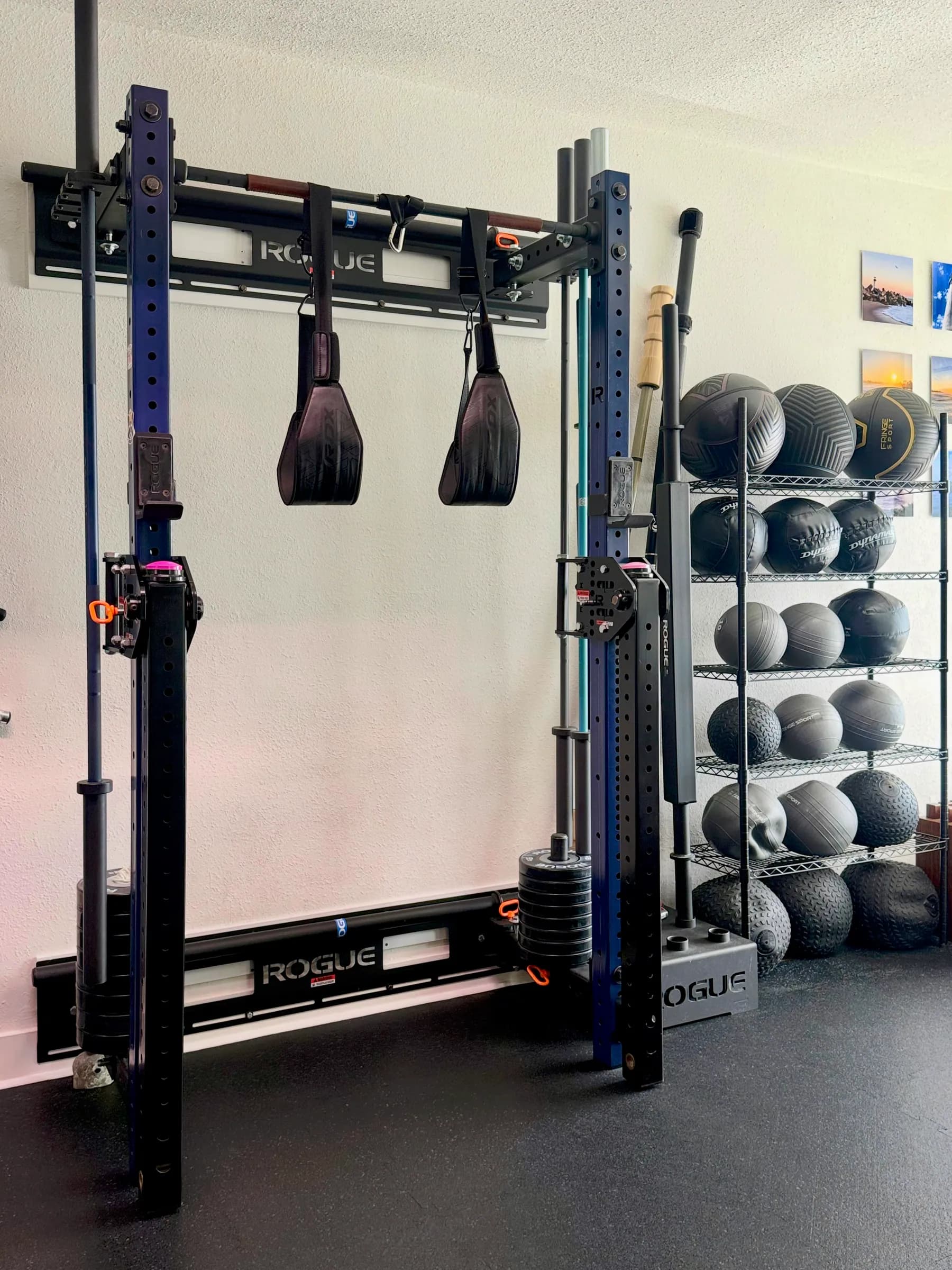
I think about this a lot at Mavericks. When I built the space, one of the things that mattered most was creating an environment where trainers could actually focus on their craft. No distractions. Quality equipment that cues proper movement without you having to over-coach. A facility that's clean, intentional, and designed for the work.
The space doesn't replace skill. But it supports it. It gives you room to pay attention to the things that actually make you better.
What to do instead
If you're considering your next certification, ask yourself a few questions first.
What specific problem are you trying to solve? If you can name it clearly, a targeted certification might be the right move. If the answer is something vague like "I just want to keep learning," that's a sign you might be avoiding the harder work.
When was the last time you got real feedback on your coaching? Not a client testimonial. Not a compliment. Actual constructive feedback from someone who knows what good coaching looks like.
Are you applying what you already know? Most trainers I meet are sitting on knowledge they haven't fully integrated into their practice. They know about systems thinking and compensation patterns. They've studied movement quality. But in the middle of a session, they default to the same cues and the same exercises because that's what's comfortable.
The best investment most trainers can make isn't another weekend course. It's a month of paying closer attention. Coaching slower. Asking better questions. Watching your clients move with fresh eyes.
The credential that matters most
None of this means certifications are worthless. They're not. My structural integration training fundamentally changed how I see the body. Precision Nutrition changed how I talk to clients about food. These things matter.
But the credential your clients care about most is the one you can't hang on a wall. It's the feeling they get when you catch something no other trainer noticed. When you modify on the fly because you saw their knee tracking wrong before they felt it. When they leave a session feeling like someone actually paid attention to them.
That's what separates a credential collector from a skilled practitioner. And that's worth more than any letters after your name.
If you're a trainer who thinks about this stuff, who cares about the craft and not just the credentials, you might be the kind of person we want to work with. The next post in this series digs into another trap good trainers fall into: chasing more clients instead of better ones.
The room is a few blocks from the water.
 Santa Cruz coast
Personal training
Private, one-on-one sessions with a coach matched to your goals.
Book a sessionFind your fit
Tell us what you're working on. We'll point you at the right coach on the floor.
Start hereMeet the team
Browse the full directory of Mavericks Fitness coaches and their specialties.
See directoryFor trainers
Rent the studio at a flat rate. Bring your clients. Keep your rate.
See the offer