Loading...
← Journal
What Good Trainers Get Wrong·5 min read
Why the Best Trainers Are Perpetual Students
The best personal trainers never stop learning. Not collecting certifications. Actually learning. Here's what that looks like in practice.
There's a trainer I respect in this town who has been coaching for over twenty years. He still takes notes after difficult sessions. He still calls colleagues to talk through problems he can't solve. He flew to another state last year to spend a weekend learning a technique he'd never tried because a client presented a movement problem he didn't have a good answer for.
He doesn't do these things because he lacks confidence. He does them because confidence without curiosity becomes stagnation. And he's seen enough stagnant trainers to know what that looks like from the client's end.
The difference between learning and collecting
The first post in this series was about how more certifications won't make you a better trainer. That's still true. But the inverse isn't "stop learning." The inverse is "learn differently."
Collecting certifications is passive. You sign up, you complete the material, you pass the test, you add letters to your bio. The knowledge may or may not change how you coach.
Actual learning is active and uncomfortable. It requires you to confront the gaps in your understanding. To try something new with a client and have it not work. To sit in a workshop where the presenter contradicts something you've believed for years and seriously consider that you might be wrong.
The best trainers I know read research papers, not to cite them in conversation, but to pressure-test their own methods. They get bodywork done on themselves, not just to recover, but to understand what their clients experience on the table. Through my practice at rockurbody.com, I've worked on trainers who came in for structural integration and left with a completely different understanding of how fascial tension affects movement. That kind of learning doesn't come from a textbook.
What to study and what to skip
Not all continuing education is created equal. The fitness industry generates an enormous amount of content, courses, certifications, seminars, online programs, and most of it is mediocre. Here's how I think about where to invest time and money.
Study things that change how you see. The most valuable education shifts your perception. After studying structural integration, I stopped seeing muscles and started seeing patterns. After learning about neurological organization, I stopped thinking about weak muscles and started thinking about movement strategies. These paradigm shifts don't happen in weekend workshops that teach you ten new exercises.
Study adjacent fields. Physical therapy. Pain science. Psychology. Business. Nutrition at a level beyond macros and meal plans. The trainers who can draw from multiple disciplines don't just have more tools. They see more options when a client's progress stalls.
Skip the recertification hamster wheel unless it offers genuinely new material. And skip anything that promises you'll "master" a complex topic in a day. Mastery is earned over years. A one-day course can open a door. It can't walk you through it.
Study your own clients. This is the most underrated form of education. Pay attention to what works and what doesn't across your entire client base. Keep notes. Look for patterns. The trainer who carefully observes twenty clients over two years learns things that no course teaches because the learning is contextual and specific to their coaching style and population.
Learning from your body
If you're a trainer who doesn't have a consistent personal practice, you're missing the most direct form of professional development available.
Training yourself keeps your movement empathy alive. When you go through a hard phase in your own training, when something hurts or a pattern breaks down or progress stalls, you remember what it feels like to be the client. That empathy is irreplaceable. The trainer who hasn't struggled with a movement in years starts to forget how confusing and frustrating it is to learn.
Get manual work done regularly. Massage, structural bodywork, whatever modality speaks to you. Not just for recovery. For education. Being on the table teaches you things about your own body that inform how you coach others. Every trainer I know who gets regular hands-on work is a better observer of movement because of it.
Train with other coaches occasionally. Not to be polite. To experience someone else's coaching style. You'll pick up cueing patterns, exercise selections, and session structures that you would never have invented on your own.
The ego question again
Learning and ego exist in direct tension. I wrote about this in the previous post. Learning requires admitting you don't know something. Ego insists that you do.
The trainers who plateau in their careers almost always plateau in their learning first. They reach a point where they feel competent, the clients are coming in, the sessions feel smooth, and they stop seeking out discomfort in their professional development. Five years later they're coaching the same way with the same tools and wondering why the work feels stale.
The antidote is structured humility. Build learning into your schedule the way you build client sessions. One hour a week minimum dedicated to studying something that challenges your current understanding. Not confirming what you already believe. Challenging it.
The community factor
Learning in isolation is limited. You need people who push you, question you, and show you things you can't see in yourself.
This is one of the underrated benefits of working in a shared training environment. When you're around other serious trainers, conversations happen organically. You see how someone else handles a client problem you've been stuck on. You get feedback on your coaching from a peer who understands the work. You stay sharp because mediocrity is visible in proximity to excellence.
Mavericks was designed partly with this in mind. Not just a space to train clients, but a professional community where independent trainers can learn from each other without the politics and hierarchy of a commercial gym. That kind of environment makes continued growth natural instead of something you have to pursue entirely on your own.
The long view
The trainers who last in this industry, who are still doing excellent work at fifteen, twenty, twenty-five years in, all share this quality. They never decided they were done learning. They stayed curious. They stayed uncomfortable. They kept finding edges in their knowledge and working those edges instead of retreating to the center where everything felt safe.
Your clients can tell the difference. The trainer who brought something new to the session this month, who adjusted the program because they learned something that changed their thinking, who said "I was reading about this and I think it applies to what we're working on," that trainer earns a level of trust and loyalty that no marketing campaign can manufacture.
Stay a student. It's the best business strategy and the best coaching strategy, and they're the same thing.
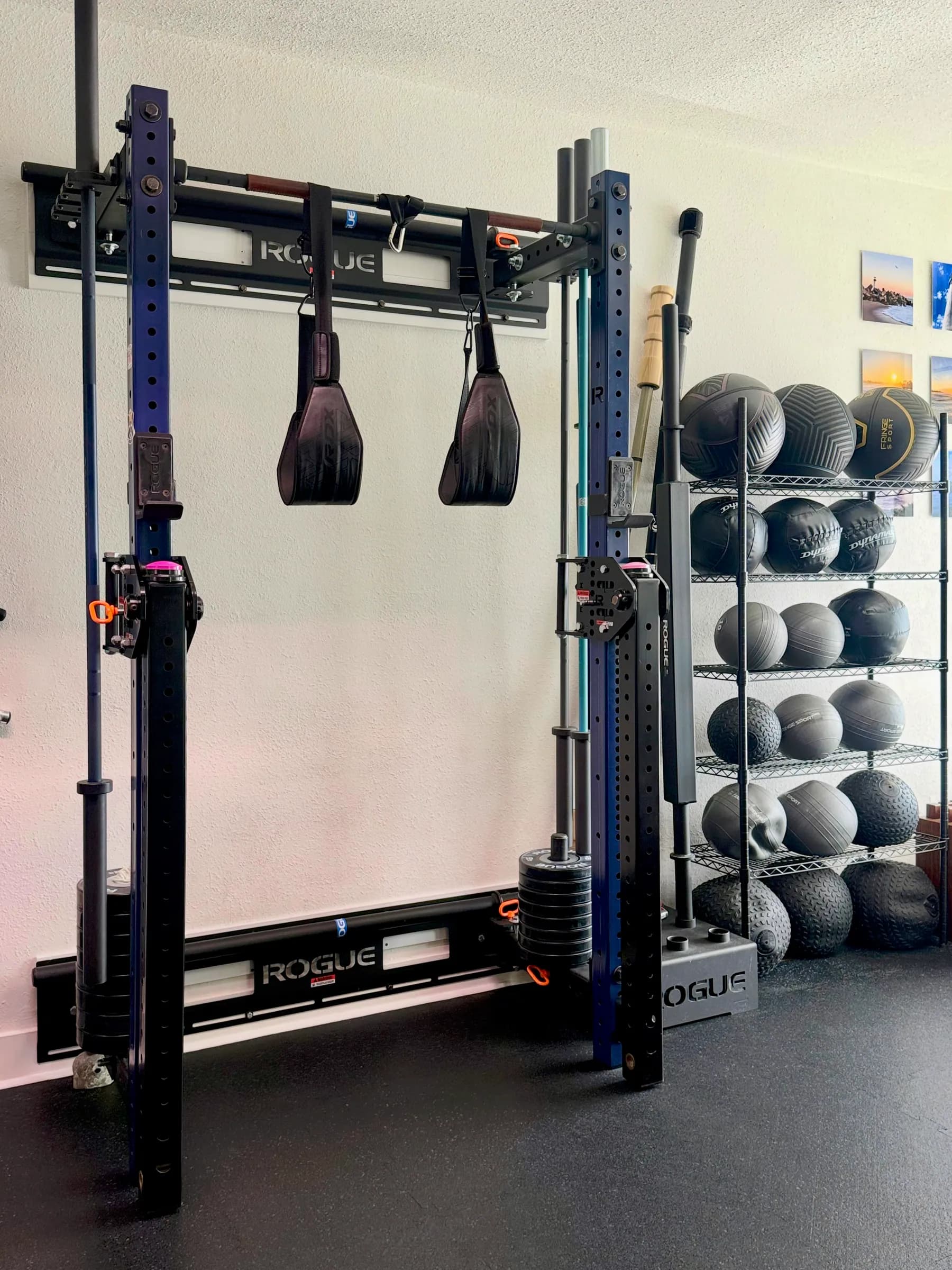
The room is a few blocks from the water.
 Santa Cruz coast
Personal training
Private, one-on-one sessions with a coach matched to your goals.
Book a sessionFind your fit
Tell us what you're working on. We'll point you at the right coach on the floor.
Start hereMeet the team
Browse the full directory of Mavericks Fitness coaches and their specialties.
See directoryFor trainers
Rent the studio at a flat rate. Bring your clients. Keep your rate.
See the offer