Loading...
← Journal
What Good Trainers Get Wrong·5 min read
The Ego Problem Nobody in Fitness Wants to Talk About
The fitness industry has an ego problem, and the best trainers aren't immune. How ego quietly damages coaching, client relationships, and your career.
Here's a thing I've noticed about the best trainers I know. The ones who are genuinely excellent at coaching, who build long careers and loyal client bases and do work they're proud of. Every single one of them has had to wrestle with their ego at some point. Most of them will tell you it's an ongoing process.
The fitness industry doesn't make this easy. The entire culture is built on visible performance. Bodies that look a certain way. Lifts that hit certain numbers. Instagram posts that demonstrate capability. The message, spoken and unspoken, is that the trainer's body and the trainer's abilities are the product.
They're not. The client's outcomes are the product. And the gap between those two things is where ego does its damage.
The demonstration trap
Watch a trainer who leads with ego and you'll see a pattern. They demonstrate exercises by doing them better than the client can. They load the bar to show what the movement should look like at a level the client won't reach for months. They tell stories about their own training, their own lifts, their own body.
None of this is malicious. Most of the time it's not even conscious. It's just what happens when your identity is wrapped up in being the strong one, the knowledgeable one, the capable one. You default to showcasing yourself because that's what feels natural.
But the client isn't paying to watch you train. They're paying to be coached. And every minute you spend demonstrating your capabilities is a minute you're not spending observing theirs.
The fix is simple in concept and hard in practice. Stop demonstrating and start watching. Show the movement once, briefly, then put all your attention on the client's execution. The best coaches I've observed are almost invisible during sessions. They speak precisely, adjust minimally, and keep the focus entirely on the person doing the work.
When being right becomes more important than being helpful
This one is subtle and it catches smart trainers the most.
You know the research. You've read the studies. You understand biomechanics and programming and nutrition science. A client says something that's factually wrong, maybe something they read online or heard from a friend, and you feel the pull to correct them thoroughly. To explain why they're wrong and cite the evidence and make sure they understand the full picture.
Sometimes that's appropriate. Sometimes it's ego wearing the costume of education.
The question to ask yourself is: does this correction serve the client's progress, or does it serve my need to be the authority? Because a client who says "I heard stretching prevents injuries" doesn't need a twelve-minute lecture on the nuanced research. They need you to say "stretching has some benefits, but let's focus on the things that have the most evidence for what you're trying to do" and move on.
Clients don't hire you to be a professor. They hire you to guide them. Guidance requires knowing when to share information and when to let something go because it doesn't matter for their goals.
The comparison spiral
Ego also shows up in how trainers relate to other trainers. And in Santa Cruz, where the training community is small enough that everyone knows everyone, this gets amplified.
You see another trainer's client making progress and you wonder why your client at the same stage isn't there yet. You watch someone post about their business growth and feel a twist of competitiveness that has nothing to do with your own goals. You hear about another trainer's methodology and your first instinct isn't curiosity. It's critique.
This is ego using comparison as fuel, and it's poison for your development.
The trainers who grow the most are the ones who can look at another trainer's success and ask "what can I learn from that?" instead of "why are they getting that and I'm not?" The ones who attend a workshop and absorb the material instead of sitting in the back mentally arguing with the presenter.
I touched on the certification chase in the first post of this series. Sometimes that chase is ego-driven too. Another credential to prove you're legitimate. Another letters-after-your-name to signal authority. If the education genuinely improves your coaching, great. If it's mostly about identity, it's an expensive way to manage insecurity.
Ego and client autonomy
The most damaging form of trainer ego is the one that can't handle a client's independence.
A good training relationship should progressively empower the client. They should understand their body better over time. They should be able to make decent decisions about movement and load and recovery without you. They should eventually need you less, not more.
Trainers with ego problems resist this. They keep clients dependent by being the sole source of information. They get uncomfortable when a client learns something on their own. They feel threatened when a client questions the program, interpreting healthy engagement as a challenge to their authority.
The irony is that the trainers who empower their clients keep them longer. A client who stays because they choose to, because the coaching genuinely adds value beyond what they could do alone, is a client for years. A client who stays because they feel they can't function without you will eventually resent the dependency and leave.
What it looks like on the other side
A trainer who's done the ego work doesn't look weak. They look secure.
They ask questions they don't know the answer to. They say "I don't know, let me look into that" without flinching. They refer out to practitioners who can help with things outside their scope. They celebrate a client's autonomy as a coaching success rather than a threat.
They train in spaces where the focus is on the work, not on being seen. Private training environments help with this because they remove the audience that ego performs for. When no one's watching, you coach for the client instead of for the room.
They charge what they're worth without needing the rate to validate their identity. Their confidence comes from the quality of their coaching, not from external markers.
The ego doesn't disappear. It just stops running the show. And when it stops running the show, everything about the training gets better. The coaching. The relationships. The career. All of it.
If that resonated, the next post in this series covers the opposite side of this coin: why the best trainers never stop being students.
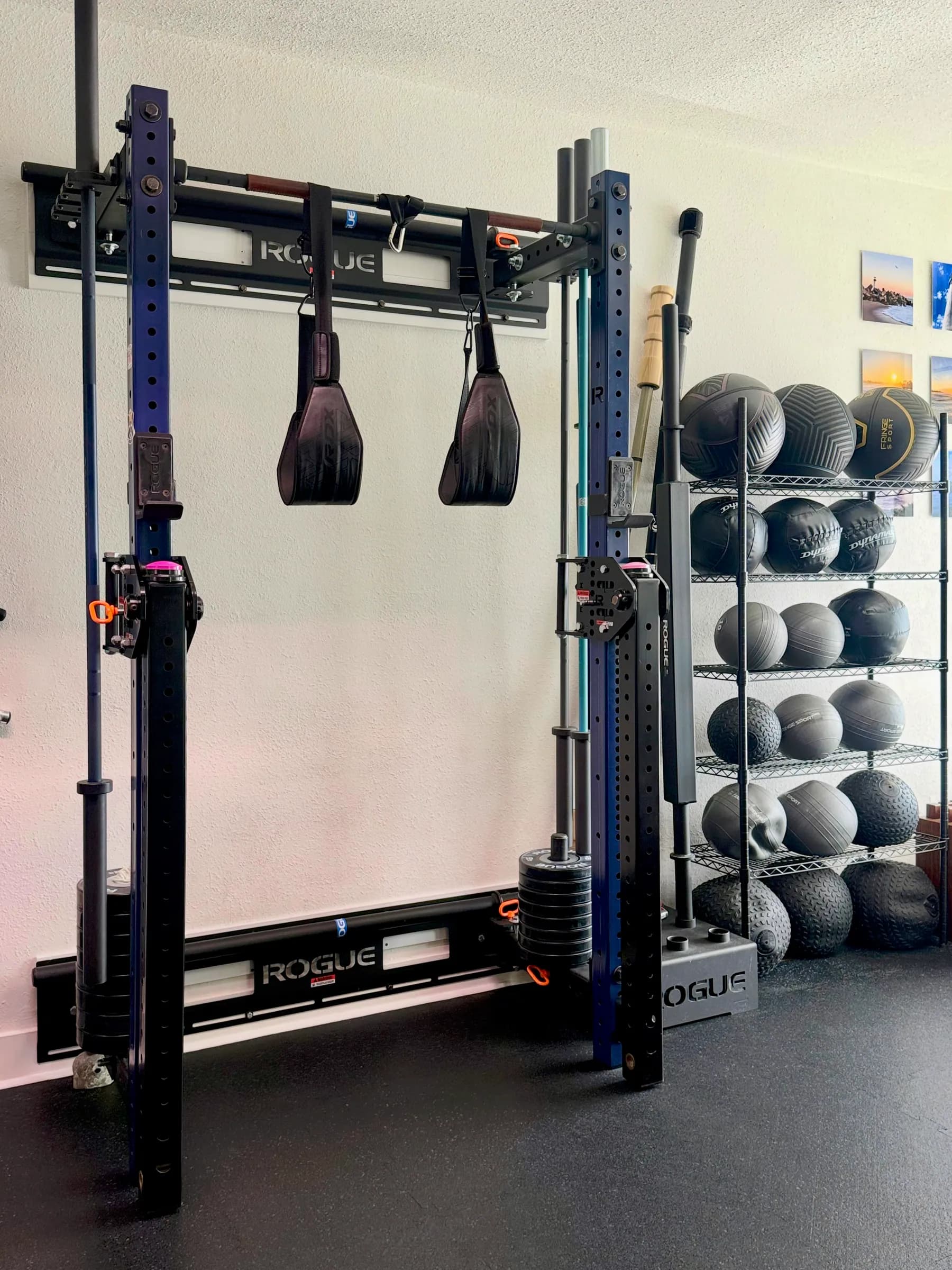
The room is a few blocks from the water.
 Santa Cruz coast
Personal training
Private, one-on-one sessions with a coach matched to your goals.
Book a sessionFind your fit
Tell us what you're working on. We'll point you at the right coach on the floor.
Start hereMeet the team
Browse the full directory of Mavericks Fitness coaches and their specialties.
See directoryFor trainers
Rent the studio at a flat rate. Bring your clients. Keep your rate.
See the offer