Loading...
Power from the hips, not the arms.
The Santa Cruz coastline is one of the best kayaking environments in California. Kelp forests off Natural Bridges, cliffs near Davenport, the surf zone at Pleasure Point: each asks real fitness. This guide shows how we train for it at Mavericks Fitness.
5Physical demands we program against
50-58 °FMonterey Bay water temperature
1 : 1One trainer, one client, every session
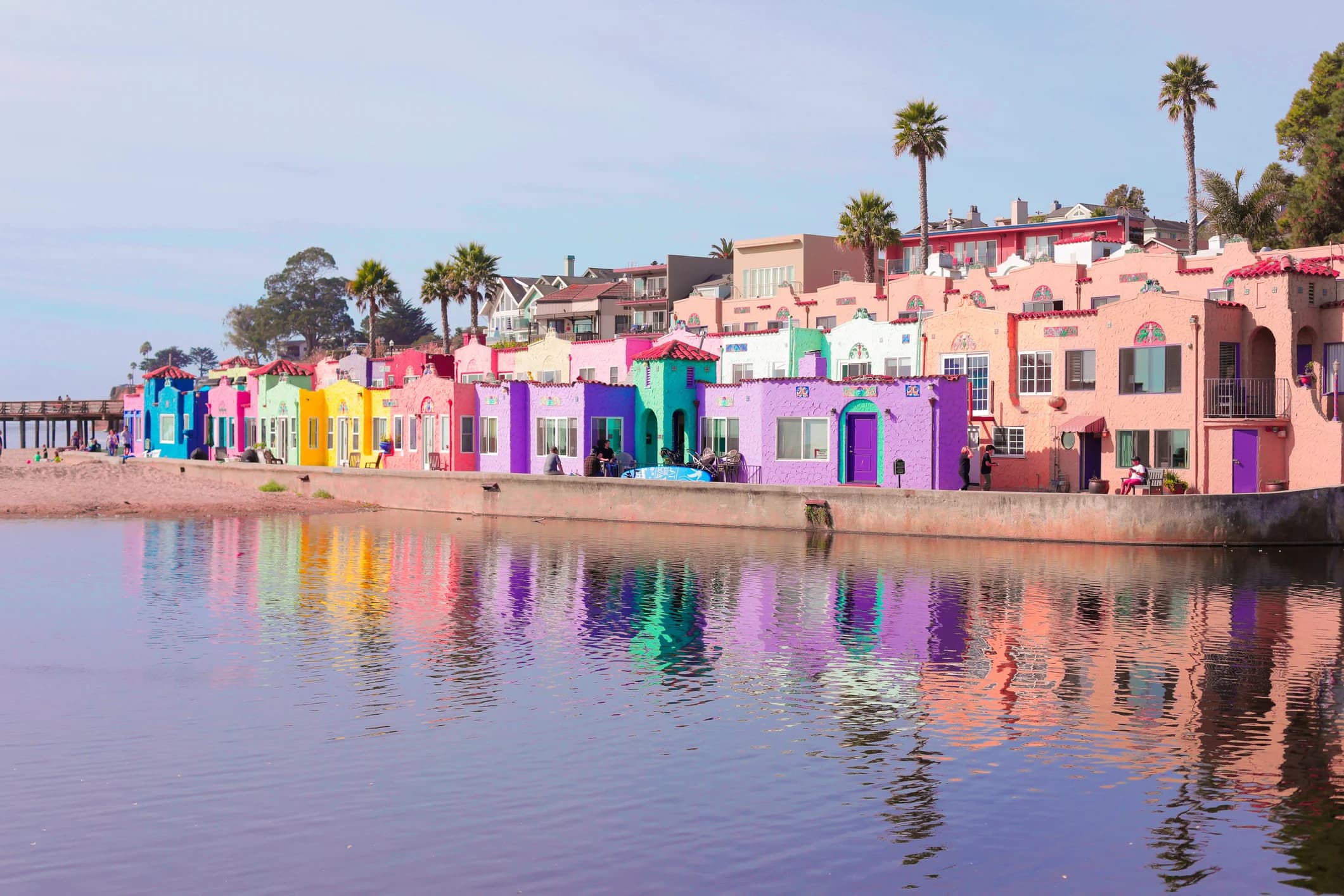 Monterey Bay
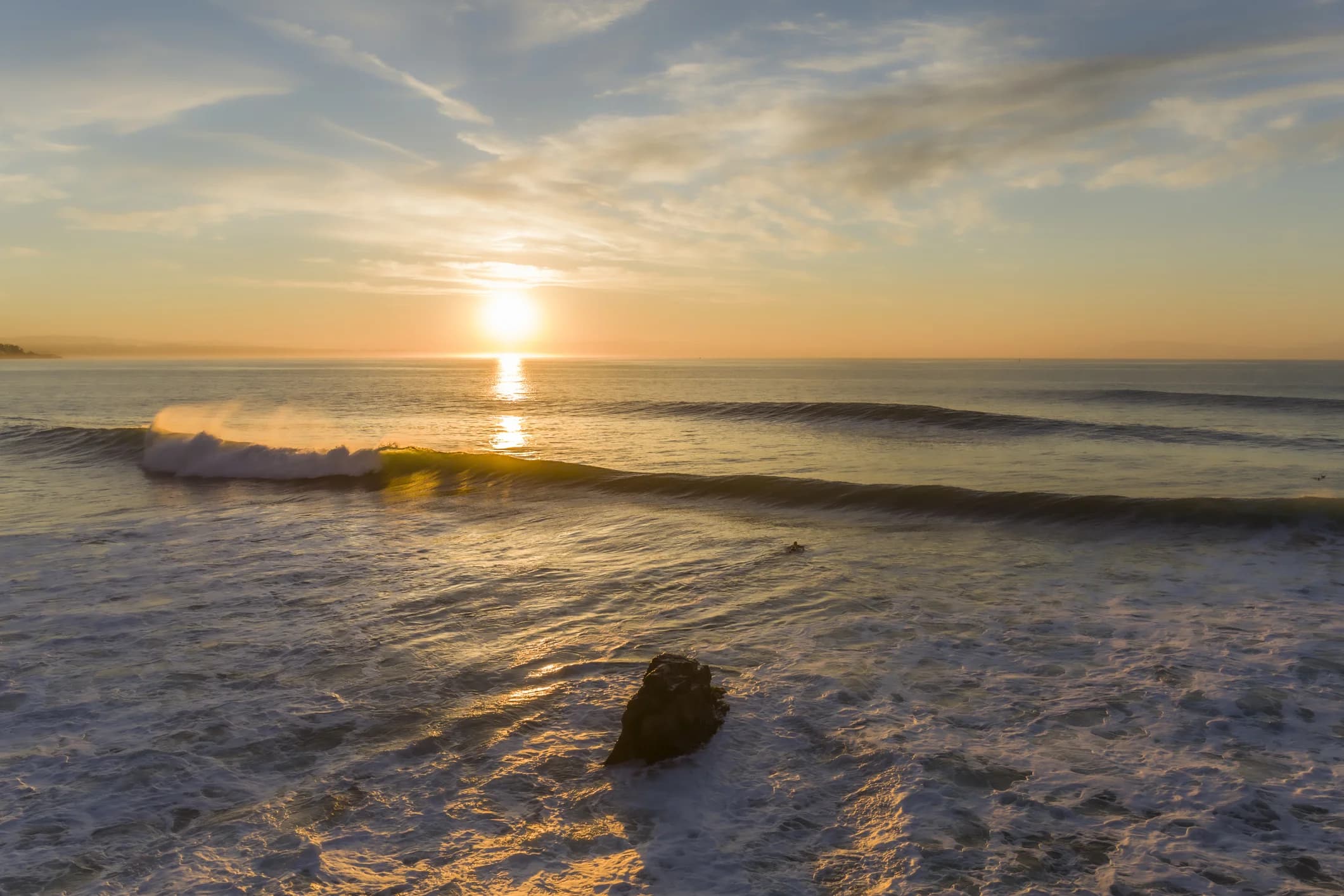 Open ocean
 Put-in
Five physical demands of paddling.
01 · Stroke
Paddling power & stroke efficiency.
Every paddle stroke engages your lats, shoulders, core, and legs. Efficient paddling comes from generating force through rotation rather than arm-pulling. Training this rotational pattern on land translates directly to longer, more powerful strokes on the water.
Lats · anterior deltoids · obliques · serratus anterior · forearm flexors02 · Rotation
Rotational core strength.
The kayak stroke is a rotational movement. Power originates in the hips and torso and transfers through the arms to the paddle. A weak core means you rely on your shoulders, which fatigues quickly and increases injury risk.
Obliques · transverse abdominis · erector spinae · hip rotators03 · Shoulders
Shoulder stability & endurance.
Repetitive overhead and forward-reach motions place significant demand on the rotator cuff and scapular stabilizers. Strong, mobile shoulders prevent impingement and allow you to paddle for hours without breaking down.
Rotator cuff · lower trapezius · rhomboids04 · Legs
Hip & leg drive.
Your legs are not passive in a kayak. Foot peg pressure and hip rotation initiate each stroke. In whitewater, strong legs help you brace, roll, and maintain boat control through rapids.
Quads · glutes · hip flexors · adductors · calves05 · Grip
Grip & forearm endurance.
Maintaining paddle grip for extended sessions demands forearm endurance. Grip fatigue leads to sloppy strokes and reduced control, especially in rough water or strong wind.
Forearm flexors · forearm extensors · hand intrinsicsA sample paddle week, on and off the water.
One example split we run with paddlers. The specifics shift with your paddle calendar, your current shoulder health, and what your baseline assessment shows. The shape stays: rotate, pull, row, recover.
- Shoulder impingement. Rotator cuff strengthening, scapular retraction drills, and thoracic mobility work.
- Wrist tendinitis. Wrist extensor stretches, eccentric loading, and proper paddle grip width.
- Lower back pain. Core bracing exercises, hip hinge mechanics, and seated posture drills.
- Elbow strain (paddler's elbow). Forearm stretching, eccentric wrist curls, and gradual volume progression.
- Hip flexor tightness. Regular hip flexor stretching, glute activation, and standing breaks during long paddles.
Monday · Rotational strength
Cable chops, landmine press, Pallof press, medicine ball rotational throws. 45 minutes.
Tuesday · Paddle session
On-water session focusing on technique. 60-90 minutes.
Wednesday · Pull & grip
Single-arm rows, face pulls, dead hangs, farmer carries, forearm curls. 50 minutes.
Thursday · Cardio & core
Rowing machine intervals (30/30 and 2-min pieces), plank variations, dead bugs. 45 minutes.
Friday · Mobility & prehab
Shoulder CARs, thoracic rotation, hip flexor stretching, foam rolling. 30 minutes.
Saturday · Long paddle
Extended on-water session. Practice pacing and nutrition strategy. 2-3 hours.
Sunday · Active recovery
Easy walk, gentle stretching, or complete rest. 0-30 minutes.
Eight movements that translate to the boat.
Cable or band rotational chops
Mimics the kayak stroke pattern. Builds rotational power through the core with resistance.
Single-arm dumbbell rows
Strengthens the pulling muscles used in every paddle stroke while training anti-rotation stability.
Pallof press (anti-rotation)
Trains the core to resist rotation, critical for maintaining stability in rough water and during bracing strokes.
Face pulls
Strengthens the rear deltoids and external rotators to counterbalance the forward-pulling demands of paddling.
Landmine press
Combines pressing and rotation in a single movement. Builds shoulder endurance and trunk stability.
Dead hangs & farmer carries
Builds grip endurance and shoulder stability under sustained load, directly applicable to long paddle sessions.
Hip bridges & clamshells
Activates the glutes and hip rotators that drive stroke power from the lower body.
Rowing machine intervals
The closest gym-based cardiovascular simulation of paddling. Trains aerobic and anaerobic energy systems together.
Train for what the bay actually does.
Open waterAfternoon wind
Northwesterly winds typically build after noon. Train paddling endurance for headwind conditions.
Build aerobic baseSurf zone entries and exits
Explosive power and timing. Practice bracing drills and quick acceleration.
Punch throughCold water (50-58 °F)
Higher caloric burn means you need better aerobic conditioning and on-water nutrition.
Fuel the engineSwell and current
Core stability and hip bracing keep you upright. Train anti-rotation and balance.
Stay uprightStart here
Ready to paddle stronger?
Build the endurance and power to handle whatever the Monterey Bay puts in front of you. Start with an assessment, match with a coach, or send a note.